
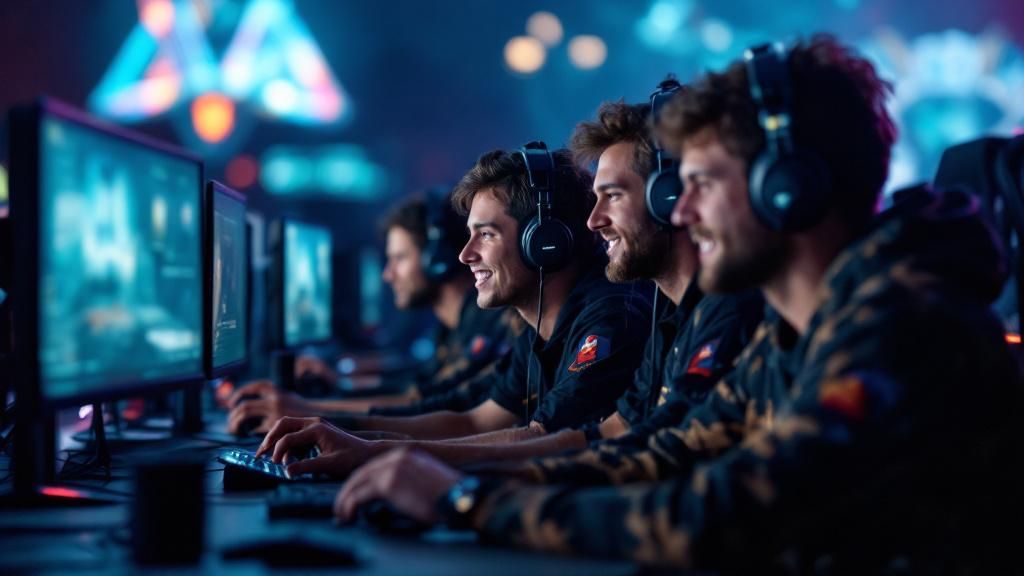
In an ever more connected world, gaming on mobile devices has transcended mere entertainment to become a powerful catalyst for genuine human connection. Competitive tournament play across gaming platforms like PUBG Mobile and Call of Duty: Mobile has cultivated flourishing worldwide communities where players build lasting friendships whilst battling for supremacy. This piece explores how competitive gaming tournaments bring people together across continents, examining the psychological bonds created by common interest, team-based cooperation, and the universal language of competition that converts casual gamers into enduring friends.
The Expansion of Mobile Gaming Groups
The widespread growth of smartphones and enhanced internet connectivity has transformed the gaming landscape, permitting millions of players worldwide to participate in competitive multiplayer experiences from nearly anywhere. What began as simple casual gaming has evolved into a complex ecosystem of coordinated groups, professional tournaments, and purpose-built platforms. Mobile gaming communities have expanded rapidly, with titles such as PUBG Mobile, Clash Royale, and Call of Duty: Mobile drawing hundreds of millions of active players. This remarkable scale has created exceptional possibilities for social interaction and competitive play on a global scale.
These growing communities have substantially altered how gamers interact and build relationships. Rather than solitary gameplay, mobile gaming now facilitates collaborative networks where players from diverse geographical and cultural backgrounds converge around shared interests. Competitive formats, ranking boards, and tiered progression have established formal play, setting out clear pathways for progression and achievement. The accessibility of mobile platforms has opened up competitive gaming, eliminating conventional obstacles to entry and enabling aspiring competitors to showcase their talents internationally. Consequently, connections made within these communities often transcend the digital realm, developing into genuine personal connections.
Establishing Long-term Bonds By Way of Competitive Activities
Competitive tournament play functions as a notable catalyst for building authentic friendships amongst mobile gamers globally. When players face off with one another in formal tournament events, they experience common victories and losses that establish profound emotional bonds. These experiences go beyond geographical limits, allowing individuals from different cultural backgrounds to connect on a fundamental level. The intensity of tournament play cultivates shared respect and empathy between participants, transforming initial acquaintances into trusted teammates and lasting friendships who mark triumphs as one and stand by each other through challenges.
The collective nature of group-based events enhances relationship building exponentially. Players must maintain strong dialogue, create plans together, and rely upon each other’s skills and expertise. This mutual reliance fosters trust and camaraderie that goes far past individual matches. Squad members build private banter, common experiences, and a sense of belonging within their gaming circles. The frequent engagement required for event planning deepens these connections progressively, building social networks that provide emotional support, shared gaming experiences, and real connection that many participants value as highly as their offline relationships.
Tournament wins and losses alike play a significant role to friendship formation. Marking accomplishments jointly reinforces group cohesion, whilst managing defeats jointly fosters emotional strength and understanding. Players come to value their teammates’ capabilities, accommodate weaknesses, and operate in harmony towards shared goals. These shared experiences build a solid foundation for lasting friendships that often flourish across various games and expand to general life relationships, illustrating competition’s remarkable capacity to connect people authentically.
Worldwide Tournament Structures and Competitive Gaming
The structure of competitive mobile gaming has transformed significantly over the last ten years, establishing sophisticated organisational frameworks that enable contests on an extraordinary international scope. Prominent gaming organisations and software creators have invested substantially in establishing organised competitive frameworks, geographical selection tournaments, and worldwide tournaments that accommodate countless gaming participants worldwide. These contests operate across multiple tiers, from grassroots community competitions to professionally sanctioned events providing substantial prize pools. The consistent rule sets ensure equitable play whilst permitting competitors across different regions to test themselves against each other, cultivating a sense of belonging within the broader gaming ecosystem and showing that talent surpasses geographical and cultural boundaries.
Tournament competition structures have become crucial in establishing clear advancement routes for would-be professional players and casual enthusiasts alike. Ranked seasons, ranking ladders, and performance-driven progression systems encourage continuous engagement and personal improvement amongst participants. The openness of tournament competition—where performance metrics are shown to everyone and achievements are universally recognised—creates an atmosphere of merit-based recognition that attracts competitors seeking acknowledgement and status. Furthermore, the integration of broadcast streaming services and viewing features has transformed competitive mobile gaming events into shared experiences, allowing vast audiences to watch thrilling matches whilst simultaneously strengthening the bonds between players and fans who rejoice in wins and sympathise with losses together.
The Social Repercussions of Structured Gaming Competitions
Formalised gaming competitions have significantly changed how competitors understand rivalry and collective participation. These tournaments serve as drivers of substantive engagement, surpassing geographical boundaries and cultural differences. When competitors engage on a international level, they experience a collective feeling of direction that strengthens interpersonal bonds. The structured nature of structured competitions creates chances for players to showcase their talents and concurrently fostering mutual regard amongst fellow players. This setting fosters real connections that often extend beyond the esports environment into ordinary routines, showing that organised tournaments serve as powerful social connectors in the modern era.
The widespread consequences of these esports competitions permeate entire communities, encouraging next-generation participants and creating mentors within the competitive gaming landscape. Professional tournaments transmitted internationally prove that gaming carries authentic social importance, motivating competitors to engage deeply in their peer groups. Players frequently report that event engagement has strengthened their self-assurance and collaborative competence with varied communities. Additionally, the financial backing and journalistic focus surrounding major events affirm gaming as a legitimate social activity, encouraging families and friends to support professional competitors. This validation converts isolated gaming experiences into celebrated cultural phenomena that deepen connections globally.
